

dressing table mirror with led lights
The Critical Role and Evolution of Bore Gauge Accessories in Precision Metrology In the intricate world of precision manufacturing, the integrity and accuracy of internal diameters are paramount, dictating the performance, longevity, and safety of countless mechanical components across diverse industries. This exacting requirement underscores the indispensable role of bore gauge accessories . These specialized tools are not merely adjuncts; they are fundamental enablers of precise dimensional measurement, ensuring components adhere to stringent design specifications and quality standards. Historically, the evolution of bore measurement has progressed from rudimentary plug gauges to sophisticated electronic systems, each iteration enhancing accuracy, repeatability, and efficiency. Modern industrial landscapes, particularly in sectors like aerospace, automotive, energy, and medical devices, demand increasingly tighter tolerances, often reaching sub-micron levels. This escalating demand for precision drives continuous innovation in bore gauge technologies, including their essential accessories such as anvils, extensions, setting rings, and specialized contacts. The selection of appropriate accessories directly impacts measurement reliability, operator efficiency, and the overall cost-effectiveness of quality control processes. For instance, in an internal combustion engine, even microscopic deviations in cylinder bore diameter can lead to significant power loss, increased fuel consumption, or premature component wear, highlighting why a precise bore gauge accessories setup is non-negotiable. Similarly, in hydraulic systems, accurate bore measurements ensure optimal seal performance, preventing fluid leakage and maintaining system pressure. The ongoing trend towards automation and Industry 4.0 integration further accentuates the need for bore gauge accessories that are not only robust and accurate but also adaptable to digital data acquisition and analysis, facilitating real-time process monitoring and predictive maintenance. Companies are increasingly investing in advanced measurement solutions that provide comprehensive data feedback, enabling them to identify manufacturing deviations early, optimize production parameters, and minimize scrap rates. This proactive approach to quality management, heavily reliant on highly accurate bore gauge accessories , translates directly into enhanced product quality, reduced operational costs, and strengthened market competitiveness. Furthermore, the specialized nature of these accessories, such as those designed for measuring keyways or unique geometries, addresses specific industrial challenges that standard gauge tool configurations cannot adequately resolve, thereby expanding the applicability and value proposition of precision metrology in complex engineering environments. The emphasis is no longer just on measurement, but on providing actionable insights that drive continuous improvement in manufacturing processes. This is a critical distinction that elevates bore gauge accessories from mere tools to strategic assets in achieving manufacturing excellence and meeting the rigorous demands of contemporary industrial standards. Precision Engineering: The Manufacturing Process of Bore Gauge Accessories The manufacturing of high-precision bore gauge accessories is an intricate process demanding exceptional material science, advanced machining techniques, and rigorous quality control, ensuring each component contributes to accurate and reliable measurements. The journey begins with the meticulous selection of raw materials, predominantly high-grade tool steels such as hardened chrome steel (e.g., AISI 52100) or specialty alloys like tungsten carbide for wear parts, chosen for their superior hardness, wear resistance, and dimensional stability. For applications demanding extreme corrosion resistance or non-magnetic properties, materials like stainless steel (e.g., 440C) or ceramics might be employed. The initial processing often involves precision bar stock cutting, followed by forging or casting for complex geometries, though most components like anvils and contacts are shaped via advanced CNC machining. Multi-axis CNC lathes and milling machines are utilized to achieve the precise initial dimensions and intricate features required for various bore gauge accessories . For example, the precise contours of a pin gauge use element or the seating surface of a setting ring necessitate machining with tolerances in the single-digit micron range. Subsequent heat treatment processes, including hardening, tempering, and cryo-treatment, are critical to impart the desired hardness (often Rockwell C 60-65 for steel components), toughness, and dimensional stability, minimizing distortion and enhancing wear resistance over the product’s operational lifespan. Surface finishing is another vital stage, involving processes such as precision grinding, lapping, and super-finishing to achieve mirror-like surfaces and sub-micron roughness values. This ensures minimal friction, consistent contact with the bore surface, and prevents premature wear. For specific components like thread gauges , specialized thread grinding or EDM (Electrical Discharge Machining) might be used to achieve precise helix angles and thread profiles. Throughout these stages, continuous in-process inspection using sophisticated metrology equipment like coordinate measuring machines (CMMs) and optical comparators is employed to monitor dimensional accuracy. The final inspection adheres to stringent international standards such as ISO 3670, ISO 1938, or ANSI B89.1.5, verifying parameters like diameter, roundness, taper, and surface finish. Each accessory must demonstrate exceptional repeatability and linearity, ensuring its suitability for use in critical industries like petrochemical, where reliable measurements prevent costly failures; metallurgy, where precision dictates material properties; and water supply/drainage, where accurate pipe dimensions are crucial for system integrity and energy efficiency. The operational lifespan of these bore gauge accessories is significantly extended through superior material selection and meticulous manufacturing, often exceeding 5-10 years under typical industrial use, contributing to reduced operational costs and enhanced reliability, showcasing their inherent advantages in energy conservation through precise fitting and anti-corrosion properties from advanced coatings or material selections. Technical Parameters and Performance Benchmarks of Bore Gauge Accessories The efficacy of any bore measurement system is directly proportional to the precision and reliability of its bore gauge accessories . Understanding their technical parameters is crucial for selecting the right tools for specific applications, ensuring optimal performance and adherence to metrological standards. Key parameters include measurement range, accuracy, resolution, repeatability, and material hardness. For instance, a typical dial bore gauge might offer a measurement range from 6mm to 100mm, with various hole gauge set extensions and anvils extending this capability. Its accuracy, defined as the maximum deviation from the true value, often falls within ±0.005mm (5 microns) for standard models, with higher precision variants achieving ±0.001mm (1 micron). Resolution, the smallest discernible change in measurement, is typically 0.01mm or 0.001mm, while repeatability, the consistency of successive measurements, is often specified at 0.003mm or less. Material hardness is crucial for the longevity and wear resistance of critical components like measuring contacts and anvils, with values commonly exceeding HRC 60 for tool steel, and even higher for tungsten carbide or ceramic options. Surface roughness, typically specified in Ra values, is also vital; a smoother surface (e.g., Ra < 0.2 µm) minimizes measurement uncertainty due to friction or contamination. Beyond these fundamental metrics, specialized bore gauge accessories like master setting rings—used for calibrating bore gauges—are manufactured to even tighter tolerances, often certified to international standards like ISO 17025, ensuring traceability to national measurement institutes. The stability of these accessories under varying environmental conditions, particularly temperature fluctuations, is also a critical performance aspect, as thermal expansion can significantly impact measurement accuracy in high-precision scenarios. Modern accessories are often designed with coefficient of thermal expansion (CTE) matching properties to minimize these effects. In the context of digital integration, parameters like data output format (e.g., SPC compatible, Bluetooth connectivity) and battery life (for electronic components) become relevant. For a pin gauge use application, the specific diameter tolerance (e.g., Class ZZ, Z, Y, X, XX per ANSI B89.1.5) determines its suitability for Go/No-Go gauging or as a precise setting standard. The longevity and stability of these accessories over time, often termed their measurement capability or gauge R&R (Repeatability and Reproducibility), are regularly evaluated in quality management systems. This ensures that the bore gauge accessories consistently contribute to reliable quality control, preventing defective parts from progressing through the manufacturing line and safeguarding product integrity. Parameter Description Typical Range/Value Relevant Standard Measurement Range (Bore Diameter) The total span of diameters that can be measured by the gauge with its accessories. 6mm - 400mm (with various extensions/anvils) ISO 3670, DIN 863 Accuracy (Max Deviation) The maximum permissible error from the true dimension. ±0.001mm to ±0.005mm (1 to 5 microns) ISO 1938, ANSI B89.1.5 Repeatability Consistency of measurements under the same conditions. < 0.003mm (3 microns) Statistical Process Control (SPC) Resolution Smallest increment that can be displayed or read. 0.01mm, 0.001mm (digital); 0.01mm, 0.002mm (dial) Manufacturer Specifications Material Hardness (Contacts/Anvils) Resistance to indentation and wear for critical measuring surfaces. HRC 60-65 (Tool Steel); > HRA 88 (Tungsten Carbide) ASTM E18, ISO 6508-1 Surface Roughness (Measuring Faces) Smoothness of contact surfaces to minimize friction and wear. Ra < 0.2 µm ISO 4287 Coefficient of Thermal Expansion (CTE) How much the material expands or contracts with temperature changes. ~11-13 x 10 -6 /°C (Steel); ~5 x 10 -6 /°C (Ceramic) ASTM E228 Diverse Applications and Strategic Advantages of Bore Gauge Accessories Across Industries The versatility and precision offered by bore gauge accessories make them indispensable across a wide spectrum of industrial applications, ensuring the functional integrity and performance of critical components. In the automotive industry, these accessories are fundamental for measuring cylinder bores, crankshaft and camshaft bearing journals, and valve guides, where dimensional accuracy directly impacts engine efficiency, emissions, and longevity. The introduction of specific hole gauge set configurations allows for rapid and precise measurement of multiple features in complex engine blocks, streamlining quality control on high-volume production lines. Within aerospace, where safety and reliability are paramount, bore gauge accessories are vital for inspecting landing gear components, hydraulic actuators, and jet engine parts, where even minuscule deviations can lead to catastrophic failure. Specialized accessories for measuring deep bores or highly polished surfaces are critical in this sector. The medical device industry relies heavily on the precision offered by these tools for manufacturing surgical instruments, implants, and drug delivery systems, where biocompatibility and precise fit are non-negotiable, requiring micron-level accuracy facilitated by advanced pin gauge use methodologies and ultra-smooth contacts. In oil and gas, the harsh operating environments necessitate robust bore gauge accessories for inspecting drilling components, pipelines, and pump housings, where corrosion resistance and structural integrity are critical. Here, specialized long-reach extensions and hardened contacts are essential for durability. The manufacturing of industrial machinery leverages these accessories for gearbox housings, bearing seats, and hydraulic cylinders, ensuring optimal power transmission and fluid dynamics. Furthermore, the power generation sector employs them for turbine components and generator casings, contributing to energy efficiency and operational safety. A key advantage of modern bore gauge accessories is their ability to integrate with digital data acquisition systems, enabling real-time SPC (Statistical Process Control) and facilitating proactive adjustments to manufacturing processes. This capability significantly reduces scrap rates, minimizes rework, and optimizes material utilization, leading to substantial cost savings and enhanced productivity. The shift from manual data logging to automated, digitized measurements has revolutionized quality assurance, providing actionable insights into process variability and trend analysis. The durability derived from advanced materials and heat treatments extends the service life of these accessories, reducing replacement frequency and long-term operational expenses. Moreover, the ergonomic designs of contemporary gauge tool systems, coupled with quick-change accessory mechanisms, enhance operator efficiency and reduce fatigue, particularly in high-volume inspection environments. This holistic approach, combining precision measurement with operational efficiency and data-driven insights, solidifies the strategic importance of high-quality bore gauge accessories as fundamental assets in achieving manufacturing excellence across diverse industrial landscapes. Strategic Advantages, Vendor Comparison, and Customization in Bore Gauge Solutions The landscape of precision metrology for internal diameters is characterized by continuous innovation, where strategic advantages are often derived from superior design, material science, and intelligent customization of bore gauge accessories . A significant technical advantage of advanced bore gauge accessories lies in their modularity and adaptability, allowing a single gauge body to be configured for a vast range of bore sizes and types using interchangeable anvils, extensions, and contacts. This reduces capital expenditure on multiple dedicated gauges and simplifies inventory management for manufacturers. Furthermore, advancements in contact geometries, such as those designed for measuring interrupted bores, keyways, or specific chamfers, significantly enhance measurement versatility. Innovations in material technology, including the use of high-performance ceramics (e.g., Zirconia, Silicon Nitride) or diamond-like carbon (DLC) coatings, provide exceptional wear resistance, thermal stability, and reduced friction, extending the life of the accessories and improving measurement reliability in harsh environments. The integration of wireless data transmission capabilities into electronic bore gauge accessories allows for seamless data capture, eliminating manual transcription errors and facilitating real-time quality monitoring within SPC (Statistical Process Control) systems. This digital leap enhances operational efficiency, enables faster decision-making, and supports the broader objectives of Industry 4.0. When considering vendor comparison, key differentiators include the manufacturer's reputation for quality and precision, evidenced by their adherence to international standards like ISO 9001 and ISO 17025 for calibration services. A reputable vendor will offer a comprehensive range of hole gauge set options, specialized thread gauges , and bespoke solutions. Factors like the uniformity of product specifications across different product lines, the robustness of their calibration services, and the availability of technical support and training are paramount. For instance, a vendor that provides certified calibration rings traceable to national metrology standards offers a clear advantage in maintaining measurement integrity. The ability to provide customized bore gauge accessories is a critical competitive edge. Many industrial applications demand non-standard solutions, such as gauges for exceptionally deep bores, multi-diameter stepped bores, or bores with unique geometric features like keyways or splines. Customization can involve specially designed measuring contacts to navigate complex internal geometries, extended shanks for deep access, or specific materials for chemically aggressive environments. A manufacturer adept at custom solutions can leverage advanced CAD/CAM tools and rapid prototyping to deliver precise, application-specific gauge tool configurations, providing a competitive advantage to their clients by enabling measurements previously deemed impossible or too costly. This tailored approach not only solves unique metrology challenges but also optimizes the entire manufacturing process, reducing lead times and ensuring product quality in highly specialized production environments. Experience, Authority, and Trust: Case Studies and Quality Assurance The true measure of a supplier's commitment to excellence in bore gauge accessories is demonstrated through their proven experience, authoritative certifications, and unwavering trustworthiness in client relationships. Our extensive service history, spanning over 20 years in precision metrology, showcases a consistent track record of delivering high-quality gauge tool solutions to leading manufacturers worldwide. We have collaborated with Fortune 500 companies in the automotive, aerospace, and energy sectors, providing tailored hole gauge set solutions that address their most complex measurement challenges. For instance, a notable case involved a major aerospace manufacturer facing difficulties in precisely measuring internal splines within critical turbine components. Traditional bore gauge accessories proved inadequate due to access limitations and geometric complexity. Our engineering team developed a custom multi-point contact accessory with a uniquely articulated design, capable of navigating the intricate spline profile and providing highly accurate diameter and concentricity readings. This bespoke solution reduced inspection time by 40% and improved measurement repeatability by 25%, directly contributing to enhanced product reliability and reduced scrap rates for our client. Another compelling example comes from the medical device industry, where a client required ultra-precise measurement of micro-bores for drug delivery systems, demanding surface finish verification in addition to dimensional accuracy. We provided a specialized pin gauge use system equipped with non-marring, polished ceramic contacts and integrated optical inspection capabilities, ensuring that both diameter and critical surface integrity were validated in a single operation, meeting stringent FDA compliance requirements. Our authority in the field is underscored by our ISO 9001:2015 certification for quality management systems and ISO/IEC 17025 accreditation for our calibration laboratory, ensuring all our products and services adhere to the highest international standards. We actively participate in industry consortiums and collaborate with academic institutions to advance metrology science, contributing to standards development and best practices. Furthermore, our products often carry CE markings and comply with relevant national metrology guidelines, providing an additional layer of assurance. Trustworthiness is built through transparent communication, reliable delivery schedules, and robust post-sales support. We offer comprehensive calibration services, preventive maintenance programs, and dedicated technical assistance, ensuring the long-term performance of our bore gauge accessories . Our client testimonials consistently highlight our responsiveness, technical expertise, and commitment to customer satisfaction, reinforcing our position as a trusted partner in precision manufacturing. Our average client retention rate over the past five years exceeds 95%, a testament to the enduring value and reliability we provide. This commitment extends to providing detailed product documentation, training, and prompt resolution of any operational queries, cultivating a relationship of confidence and mutual success. Frequently Asked Questions (FAQs) about Bore Gauge Accessories Navigating the complexities of precision metrology often brings forth specific questions regarding the selection, use, and maintenance of bore gauge accessories . This FAQ section addresses common inquiries to enhance clarity and ensure optimal utilization of these critical tools. Q1: How often should bore gauge accessories be calibrated, and why is it important? Calibration frequency for bore gauge accessories , including setting rings, anvils, and measuring contacts, typically depends on usage intensity, environmental conditions, and criticality of measurements. For high-volume production environments or critical applications (e.g., aerospace, medical), annual or semi-annual calibration is recommended, or even more frequently if significant drift is observed or after accidental drops. For less frequent use, biennial calibration might suffice. The importance lies in ensuring measurement accuracy and traceability to national standards, which is mandated by quality management systems like ISO 9001 and industry-specific regulations (e.g., FDA for medical devices). Regular calibration prevents the release of out-of-spec parts, minimizes scrap, avoids costly rework, and maintains product quality and reputation. It confirms that the gauge tool is performing within its specified tolerance limits, providing reliable data for quality control decisions. Failure to calibrate can lead to significant production losses and compliance issues, underscoring its non-negotiable role in precision manufacturing. Q2: What materials are best for bore gauge accessories in abrasive environments? For abrasive environments or applications involving highly wear-resistant workpieces, materials like tungsten carbide or high-performance ceramics (e.g., Zirconia, Silicon Nitride) are superior choices for bore gauge accessories , particularly measuring contacts and anvils. Tungsten carbide offers exceptional hardness (typically HRA 88-92) and wear resistance, significantly extending the life of the hole gauge set components compared to hardened tool steel (HRC 60-65). Ceramics provide not only extreme hardness but also excellent thermal stability, corrosion resistance, and non-magnetic properties, making them ideal for specialized applications or environments with chemical exposure. For certain applications, diamond-like carbon (DLC) coatings can be applied to steel or carbide components, offering a further enhancement in surface hardness and reduced friction. While these materials are generally more expensive, their extended lifespan and reduced frequency of replacement or calibration make them a cost-effective choice in demanding industrial settings, contributing to improved measurement stability and reduced downtime. Q3: How do specialized bore gauge accessories like those for keyways or thread gauges differ from standard ones? Specialized bore gauge accessories are designed to address specific geometric challenges that standard, smooth-contact accessories cannot accurately measure. For keyways, for instance, custom-designed contacts are employed that can bypass the keyway slot and establish contact on the true circular bore surface, or specifically measure the depth and width of the keyway itself relative to the bore. This requires intricate machining of the contact points and often a three-point or two-point contact system designed for the interrupted surface. For thread gauges , these are fundamentally different, as they measure the pitch diameter, major diameter, and minor diameter of internal threads. They typically consist of "Go" and "No-Go" plug gauges with specific thread forms (e.g., Unified, Metric, NPT), and their "accessories" might include master thread rings for calibration. Unlike bore gauges that measure a simple diameter, thread gauges assess the complex helical geometry, ensuring components can be reliably assembled. These specialized tools ensure precise fits for components that are designed to interlock or contain specific features, such as the Keyway Plug Gauge found at strmachinery.com , which is specifically engineered for measuring keyway dimensions within a bore. Q4: What is the typical delivery cycle for custom bore gauge accessories , and what is the warranty policy? The delivery cycle for custom bore gauge accessories can vary significantly based on complexity, material availability, and current production schedules. For standard modifications or simple custom contacts, the lead time might range from 2-4 weeks. For highly complex, unique designs requiring specialized tooling or materials, it could extend to 6-12 weeks. We prioritize clear communication with clients throughout the design and manufacturing process, providing regular updates on progress and estimated completion dates. Our standard warranty policy covers defects in material and workmanship for a period of 12 months from the date of purchase. This warranty ensures that the gauge tool accessories will perform as specified under normal operating conditions. It does not cover damage resulting from misuse, improper handling, lack of maintenance, or unauthorized modifications. Comprehensive customer support is available to assist with any product-related inquiries, technical issues, or warranty claims, ensuring client satisfaction and sustained performance of their metrology equipment. Our commitment to prompt and reliable service underpins our trustworthiness in the market. The Future of Bore Gauge Accessories: Trends and Innovations The landscape of metrology is continuously evolving, with the future of bore gauge accessories being shaped by advancements in materials science, digital integration, and the increasing demand for automation in manufacturing processes. Key trends indicate a significant shift towards smart accessories equipped with embedded sensors that can provide real-time data on environmental conditions, tool wear, and even self-calibration capabilities. This represents a leap beyond traditional passive accessories to active, intelligent components of a measurement system. The proliferation of IoT (Internet of Things) in manufacturing means that bore gauge accessories will increasingly integrate wirelessly with centralized data management systems, enabling continuous monitoring of measurement trends, predictive maintenance for the gauges themselves, and immediate feedback loops for process optimization. This minimizes human error, enhances data integrity, and supports robust statistical process control (SPC). There's also a growing emphasis on modular and adaptable designs, allowing for quick reconfigurations for various applications, reducing the need for an extensive inventory of specialized tools. Additive manufacturing (3D printing) is also beginning to influence the production of complex or highly customized bore gauge accessories , enabling rapid prototyping and the creation of intricate geometries that would be challenging or costly with traditional machining. This technology allows for on-demand production of highly specialized gauge tool components, reducing lead times and facilitating rapid innovation in custom solutions. Furthermore, research into advanced materials for measuring contacts, beyond traditional carbides and ceramics, is exploring super-hard alloys, nanocomposites, and even diamond-tipped contacts for extreme wear resistance and ultra-precision applications, pushing the boundaries of measurement accuracy and lifespan. The demand for non-contact measurement solutions, while not directly replacing contact bore gauge accessories , will influence their design, as hybrid systems may emerge where contact methods are complemented by optical or laser scanning for comprehensive bore analysis, especially for complex internal features or very delicate surfaces. Ultimately, the future of bore gauge accessories is inextricably linked to the broader push towards smart, agile, and highly data-driven manufacturing, where precision measurement is not just a quality check but an integral part of an optimized, self-regulating production ecosystem. This evolution ensures that industries can meet increasingly stringent quality requirements while simultaneously improving efficiency and reducing operational costs. References and Further Reading ISO 1938-1:2015 Geometrical product specifications (GPS) — Dimensional measuring equipment — Part 1: Plain limit gauges for bores and shafts — Design and metrological characteristics. (Official ISO Standard) NIST Special Publication 960-12: A Guide to the Design and Use of Bore Gauges. (National Institute of Standards and Technology) American Society for Quality (ASQ) - Precision Measurement Resources. (Industry Professional Organization) The Institution of Mechanical Engineers (IMechE) - "The Challenge of Precision Metrology" (Academic/Professional Insight) Society of Manufacturing Engineers (SME) - Metrology & Quality Control. (Professional Organization)
about
dressing table mirror with led lights
In the intricate world of industrial machinery, bearings play a vital role in ensuring smooth operation. However, excessive vibrations can significantly shorten their lifespan, leading to costly breakdowns and downtime. Machine vibration pads from Storaen (Cangzhou) International Trading Co. offer a reliable solution, effectively mitigating vibrations and extending the life of bearings. Alongside our pad iron , these products are designed with precision and durability, providing comprehensive support for industrial equipment. The Working Principle of Machine Vibration Pads Our machine vibration pads work on the principle of isolating the source of vibration from the machinery’s foundation. Constructed from specialized materials with excellent shock - absorbing properties, these pads effectively dampen vibrations generated during the operation of machinery. By reducing the transfer of vibrations to the bearings, they minimize the stress and wear on these critical components. This not only extends the life of the bearings but also improves the overall efficiency and stability of the machinery, making machine vibration pads an essential component in industrial setups. The Role of Pad Iron in Supporting Machine Vibration Pads Pad iron from Storaen (Cangzhou) International Trading Co. plays a crucial role in supporting machine vibration pads . With its robust design and adjustable structure, the pad iron provides a stable base for the installation of vibration pads. It allows for precise leveling of the machinery, ensuring that the machine vibration pads are evenly loaded and can function optimally. This combination of pad iron creates a reliable system that effectively reduces vibrations, protects the bearings, and enhances the longevity of the entire machinery. specifications Adjustable height mm Single piece bearing capacity kg 135×50×40 4 600 160×80×55 5 1200 200×90×55 6 2000 220×110×60 8 3500 240×120×70 10 4000 280×130×80 12 4500 300×140×100 15 5000 Advantages of Anti Vibration Pads in Conjunction with Machine Vibration Pads When used in conjunction with machine vibration pads , our anti vibration pads offer additional benefits. Anti vibration pads are designed to absorb and dissipate vibrations across a wide frequency range. They complement the function of machine vibration pads by further reducing the impact of vibrations on the machinery and its components, including bearings. Together, these two types of pads create a comprehensive vibration - control solution, providing enhanced protection against premature wear and tear, and ultimately extending the life span of bearings and the overall machinery. Machine Vibration Pads FAQS How do machine vibration pads extend bearing life? Machine vibration pads from us extend bearing life by reducing the vibrations that cause stress and wear on bearings. These pads isolate the machinery from its foundation, absorbing and dampening vibrations. By minimizing the impact of vibrations on the bearings, they prevent premature damage, such as fatigue and corrosion, thereby significantly extending the life of the bearings and ensuring the smooth operation of the machinery. Can pad iron be customized for different machinery? Yes, our pad iron can be customized to meet the specific requirements of different machinery. Our team of experts can design and manufacture pad iron with varying sizes, load - bearing capacities, and adjustable features. This customization ensures that the pad iron provides optimal support for machine vibration pads and the machinery, enhancing the overall effectiveness of the vibration - reduction system. What materials are used in anti vibration pads? Our anti vibration pads are made from high - quality materials selected for their excellent vibration - absorbing properties. These materials often include rubber compounds, elastomers, and synthetic polymers. These materials are chosen for their ability to withstand heavy loads, resist wear and tear, and effectively absorb vibrations across a wide range of frequencies, making our anti vibration pads highly effective in reducing the impact of vibrations on machinery and bearings. How often should machine vibration pads be replaced? The replacement frequency of machine vibration pads depends on several factors, such as the intensity of use, the operating environment, and the type of machinery. Regular inspections are recommended to check for signs of wear, such as cracks or compression. In general, with proper maintenance and under normal operating conditions, our high - quality machine vibration pads can last for a long time. However, if significant wear is detected, it is advisable to replace them promptly to maintain optimal vibration - reduction performance. Are our anti vibration pads suitable for outdoor use? Yes, our anti vibration pads are suitable for outdoor use. The materials used in their construction are designed to withstand various weather conditions, including rain, sunlight, and temperature fluctuations. They are also resistant to moisture and UV rays, ensuring that they maintain their vibration - reducing properties and structural integrity even in outdoor environments, providing reliable protection for outdoor - installed machinery and their bearings.
-

High quality industrial productsagement

High quality industrial products
View Details -

Meet the diverse needs of customers

Meet the diverse needs of customers
View Details -

Strict quality control

Strict quality control
View Details -

Top raw materials

Top raw materials
View Details -

Trusted supplier

Trusted supplier
View Details
Our application

news and information
Y turi filtr uchun strainer va suyuqlik tozalash tizimlari
Y Turi Filteri va Suvni Tozalashda Uning O'rni Y turi filtri suvni tozalashda muhim rol o'ynaydi. Bu

Vanne à bille de 6 pouces pour des applications industrielles fiables et efficaces
La valve à clapet à bille de 6% La valve à clapet à bille, souvent désignée sous l'appellation de va
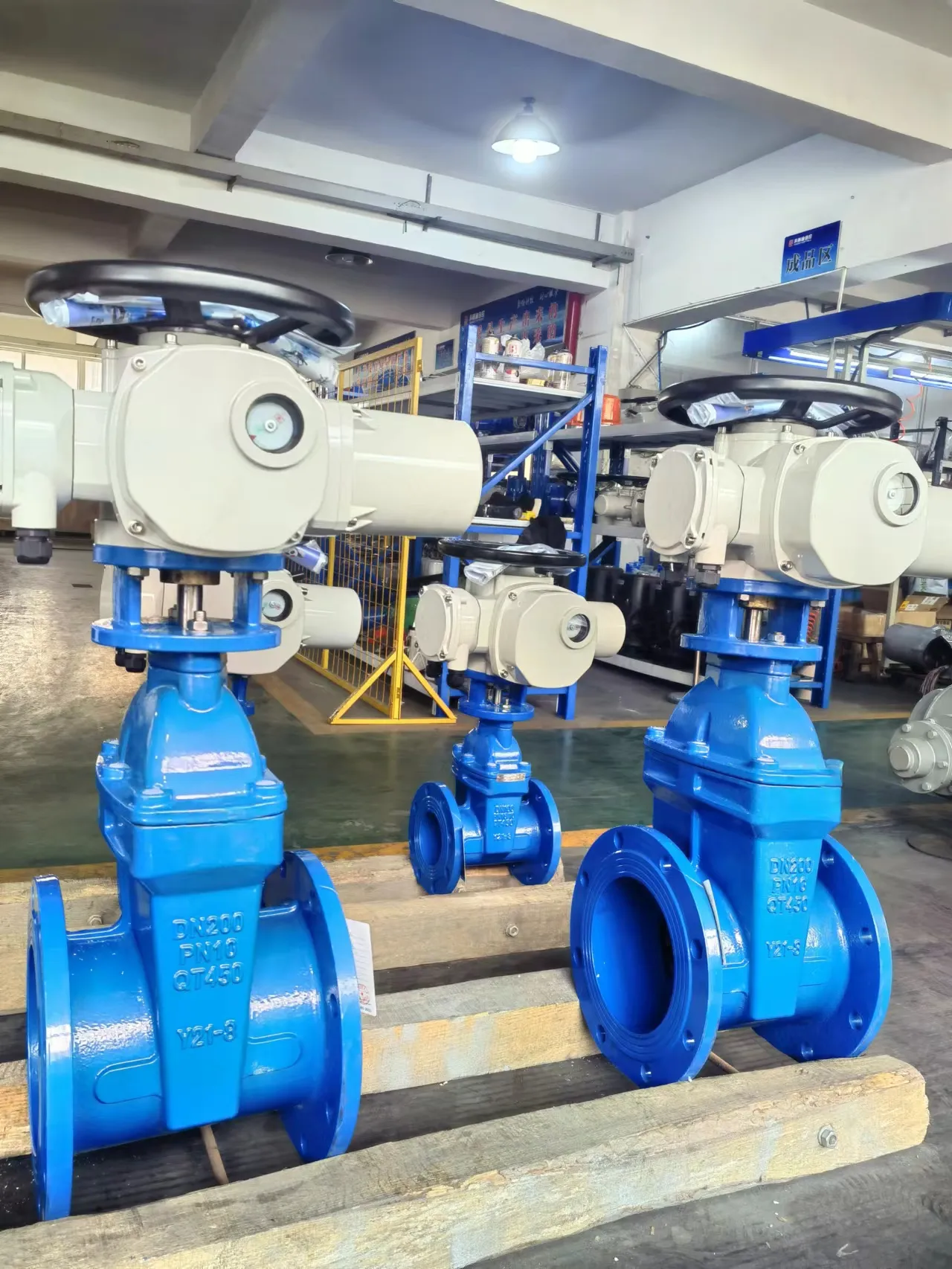
Valves Available for Purchase Now at Competitive Prices
Exploring the Market for Valves for Sale A Comprehensive Guide In industrial applications across var
 English